Objects

The items in this online exhibition evoke the stories of American women through the ages.
Click on any image to begin.

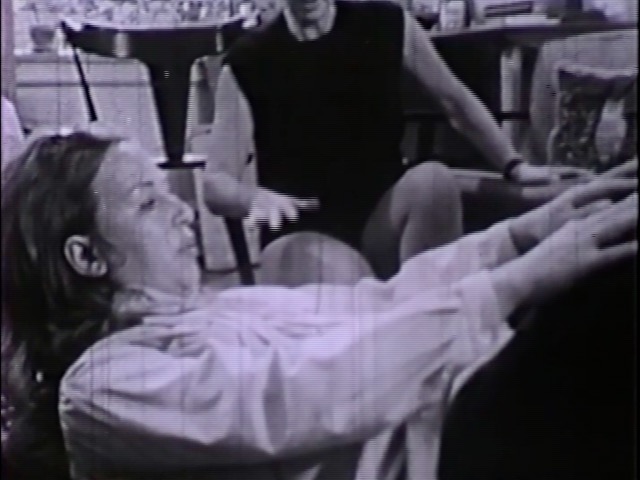
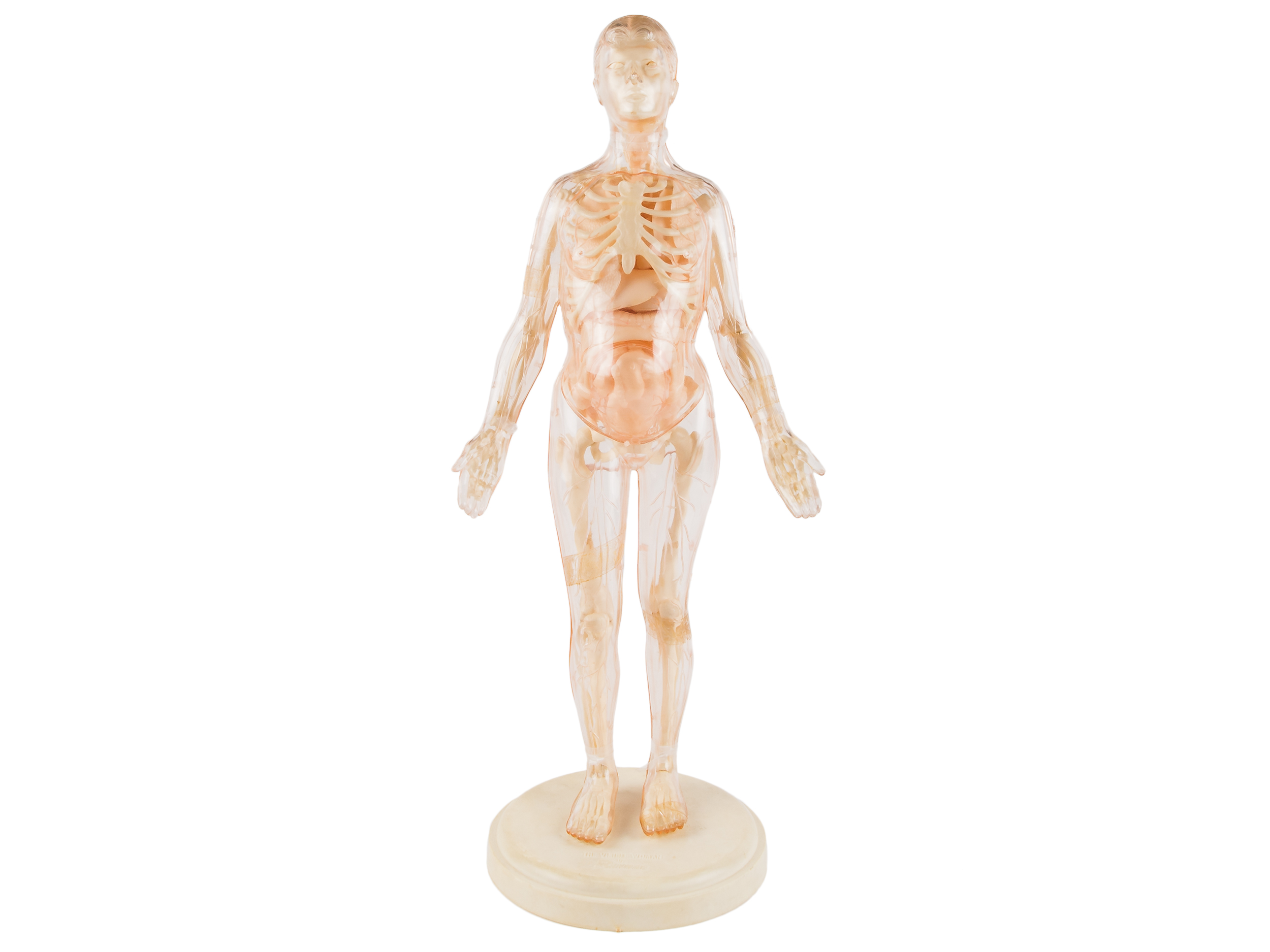
Visible Woman, 1959, and Boston Association for Childbirth Education newsletter, 1968

Photos by Kevin Grady/Radcliffe Institute

Photos by Kevin Grady/Radcliffe Institute

72B_visible-woman_DSC5158_web_4x3_photo by Kevin Grady_Radcliffe Institute_courtesy of Schlesinger Library.jpg
 

The Visible Woman, first released in 1959, was an anatomically correct model. The optional “miracle of creation” adaptor kit transformed her into a woman who was seven months pregnant, perfect for classes offered by the Boston Association for Childbirth Education (BACE), founded in 1953. While BACE was often derided by the medical establishment, this newsletter shows that at least one doctor had nothing but praise after attending one of its classes with his wife.
 
Boston Association for Childbirth Education Records

Catalog record:

http://id.lib.harvard.edu/alma/990083575860203941/catalog

Learn more:

See the Schlesinger Library's research guide on pregnancy, adoption, and loss.

Learn about the Boston Women’s Health Book Collective, renowned for its grassroots global effort to advance the health and rights of women and girls.

Learn about the Radcliffe Institute's 2014 conference "Who Decides? Gender, Medicine, and the Public’s Health" by watching videos of the proceedings:

Each year, the Radcliffe Institute for Advanced Study at Harvard University hosts a conference that explores the role of gender in a significant aspect of the human experience. "Who Decides? Gender, Medicine, and the Public's Health" explored questions of who decides about health-care provision, research funding, and policy making.
Defining Health: How Do Health and Disease Get Defined in Societies? This panel examines, largely through a social-science lens, the role of gender in conceptions of health and disease (including physical and mental health) in different societies, in determining who is responsible for health care through both formal and informal roles, and in developing understandings of risk factors and resilience.
Research Priorities: The Impact of Gender on the Scope, Funding, and Analysis of Health Research This panel considers whether gender drives commercial and public research in particular diseases, the politics of health campaigns, the formulation and analysis of clinical trials, and the role of the marketplace and private funding in addressing diseases that affect women and men differently.

Policy and Access to Care: Gender Gaps and Opportunities in the United States This panel discusses the implications of the Affordable Care Act for women's and men's health, including gendered issues of health care access and policy and questions of insurance and coverage.

 
Heather Min